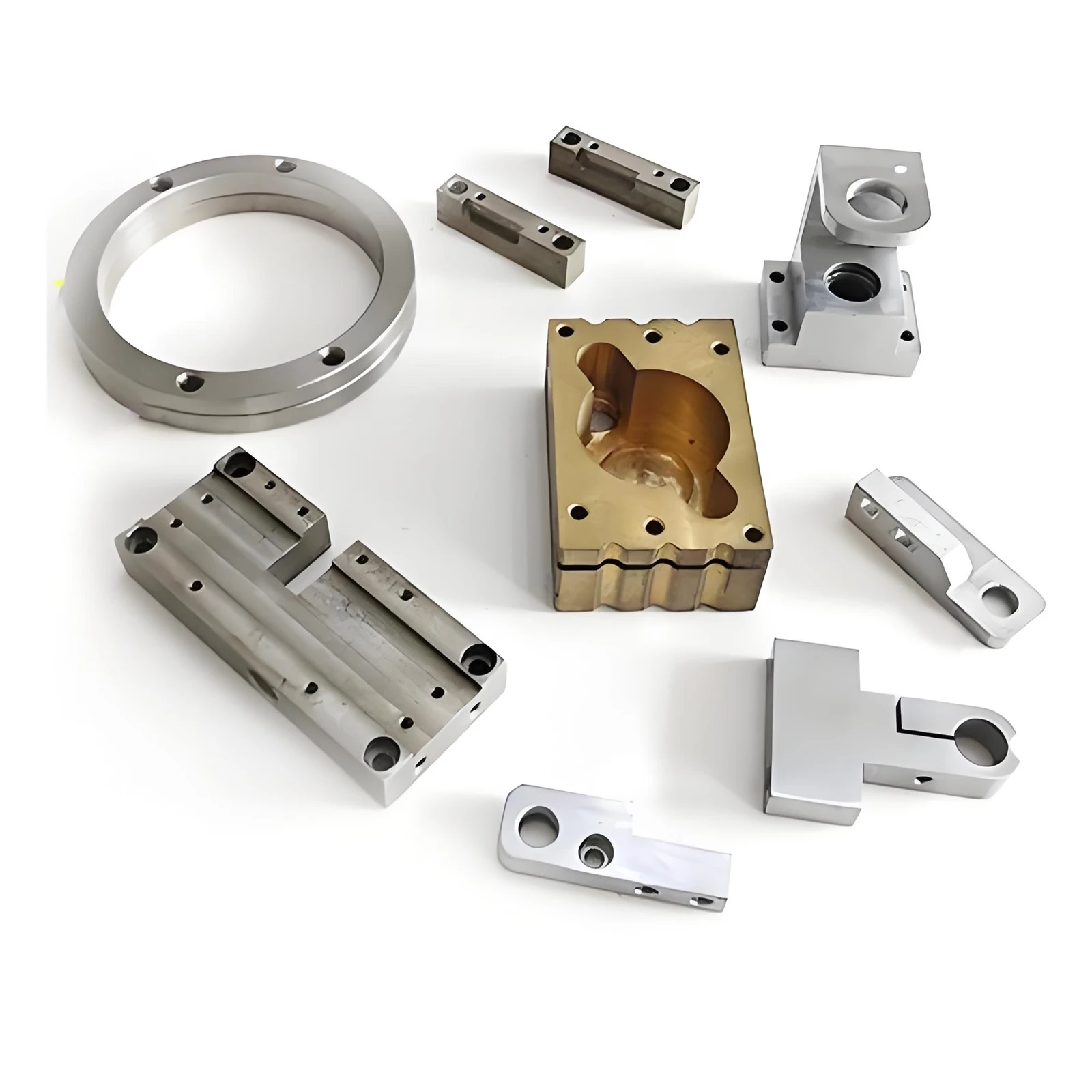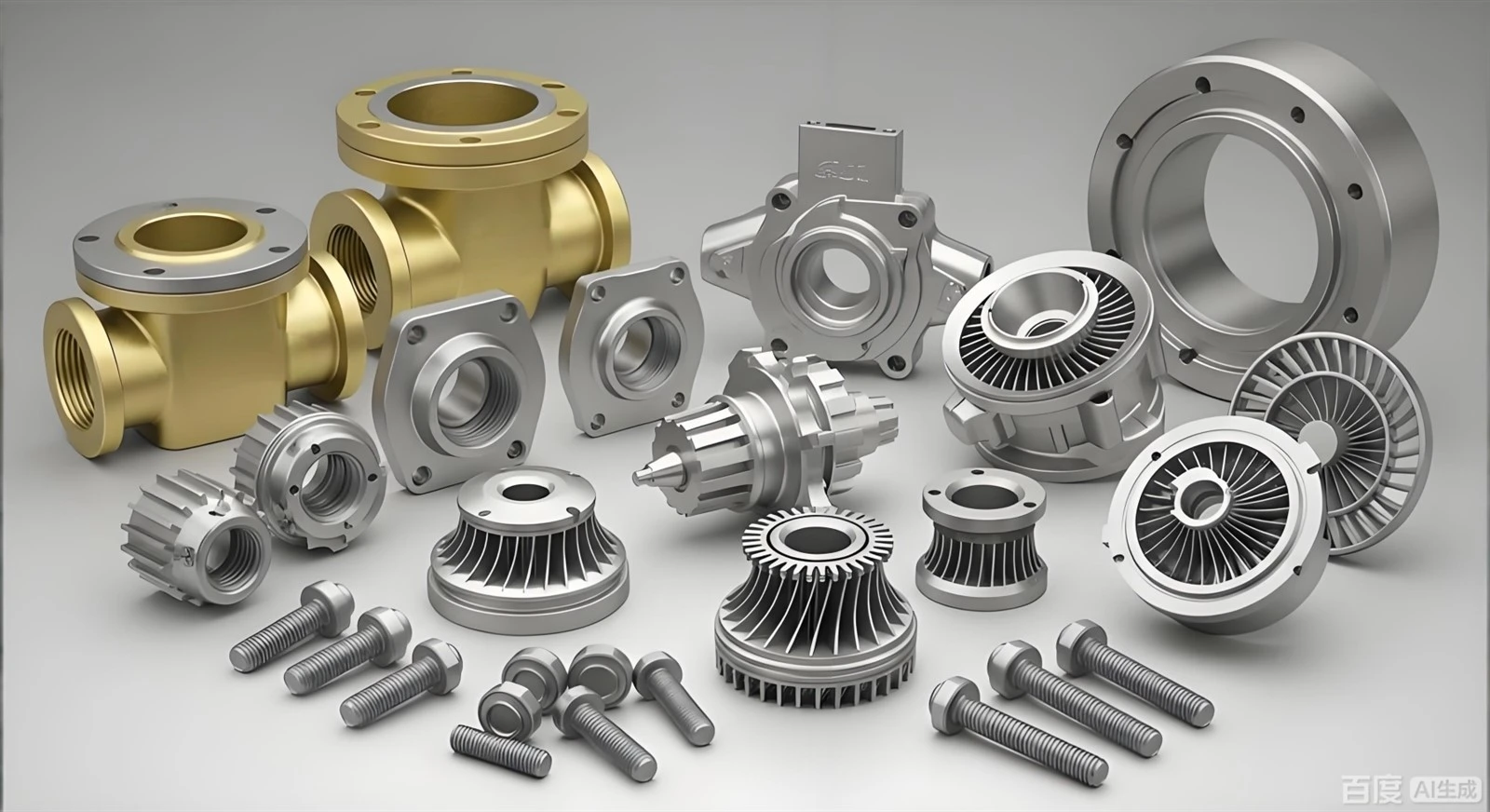

A bearing starts making noise a few weeks after installation. Temperature climbs. Vibration increases. The bearing gets replaced, yet the same problem returns. In many cases the bearing itself was fine-the real issue sat in the housing. Bore a little too large or too small, out-of-round geometry, or rough surface finish can preload the bearing, allow creep, or create uneven loading.
That is why more buyers now look for Rapid Precision Machining when they order custom bearing housings.
Why Bearing Housing Tolerances Matter More Than People Think
The housing bore decides how the outer ring sits. Too tight and internal clearance shrinks, raising temperature and accelerating fatigue. Too loose and the outer ring can creep, producing fretting, wear, and noise. Out-of-round or tapered bores transfer distortion straight into the raceway.
Analyses of premature bearing failures regularly list incorrect fits and defective seats among the main pre-operational causes of damage. Getting the housing right protects bearing life far more effectively than swapping bearings after the fact. Rapid Precision Machining is one practical route to that control.
Key Tolerance Zones You Need to Get Right
Bore Diameter Tolerance
H7 (IT7) is a practical, widely used choice for stationary outer rings. Higher-precision or higher-speed work often moves to H6 or tighter. Absolute tolerance band widens with larger nominal diameters within the same IT grade.
Roundness & Cylindricity
Average diameter can look correct while local form error still distorts the outer ring. Form tolerances are usually held tighter than diameter tolerance - often IT5–IT6 on precision housings.
Surface Finish
A rough bore raises the risk of fretting and makes consistent fit harder to achieve. Ra 0.8–1.6 µm covers most general industrial housings; finer finishes for higher vibration or precision needs.
Concentricity Between Bores
On multi-bearing housings or gearbox cases, the relationship between bores directly affects shaft alignment and load distribution - often the most demanding requirement of all.
Typical reference ranges (general industrial guidance):
|
Feature |
Common Industrial Range |
Higher-Precision Range |
|
Bore diameter |
H7 (IT7) |
H6 or tighter |
|
Roundness / Cylindricity |
IT6–IT7 |
IT5–IT6 |
|
Surface finish (Ra) |
0.8 – 1.6 µm |
0.4 – 0.8 µm |
|
Bore-to-bore concentricity |
Application-dependent |
Often ≤ 0.02–0.05 mm |
How Tolerance Requirements Change by Application
General industrial gearboxes and machinery often run well with H7 bores and moderate form control. Automotive and higher-speed applications usually need tighter diameter and form tolerances plus better surface finish. New-energy motor housings and precision spindles push further still, frequently requiring IT6 or better and careful management of heat and residual stress during machining. A capable CNC bearing housing manufacturer or custom bearing housing factory adjusts tooling, fixturing, and inspection frequency to the application instead of forcing one standard onto every part. Experienced Parts Machining Services make that adjustment routine rather than exceptional.
Sunhingstones Case Study - Solving a Bearing Housing Tolerance Problem
Case Study
A customer kept seeing noise and elevated temperature on a batch of gearbox housings. Incoming bearings measured within specification, yet problems continued. Checks showed the housing bores met average diameter but carried excessive out-of-roundness and local form error after machining.
The process was revised: refined roughing and finishing cuts, better fixturing to limit distortion, and more frequent in-process form checks. Later lots produced with Fast CNC Machining methods improved clearly - first-pass yield rose, field returns linked to bearing noise dropped, and assembly consistency improved. The bearing was not the root cause; the housing geometry was.
How to Choose a Manufacturer That Can Hold These Tolerances
Ask directly about:
A factory that machines the parts in-house usually gives clearer manufacturability feedback and faster correction than a pure trading company. Buyers looking for wholesale CNC machined bearing housings or ongoing supply should also confirm real capacity and quality-system discipline. Relevant certifications and industry recognition provide useful baseline confidence.
Common Mistakes That Lead to Tolerance Failures
Frequently Asked Questions
H7 (IT7) is a common industrial standard for many stationary outer-ring applications. Higher-precision or high-speed uses often require H6 or tighter, together with controlled form and surface finish.
Can tight tolerances increase machining cost significantly?Yes. Moving from IT7 to IT6 or adding strict form and surface-finish requirements increases machining time, inspection effort, and scrap risk. Apply the tightest controls only where the bearing and application actually need them.
How do you verify bearing housing tolerances before shipping?Critical bores are checked for diameter, roundness/cylindricity, and surface finish with appropriate gauges, roundness instruments, or CMM. Multi-bore parts also receive concentricity verification. Documentation travels with the parts.
Do you support both prototype and wholesale quantities?Yes. Capable CNC bearing housing manufacturers and custom bearing housing factories routinely handle single-piece or small-batch prototypes as well as ongoing wholesale CNC machined bearing housings once the process is proven.
Next Step
Bearing noise, heat, and early wear often trace back to the housing rather than the bearing. If you are seeing inconsistent assembly results or field issues, share the drawing or current problem for a practical tolerance review and quotation.