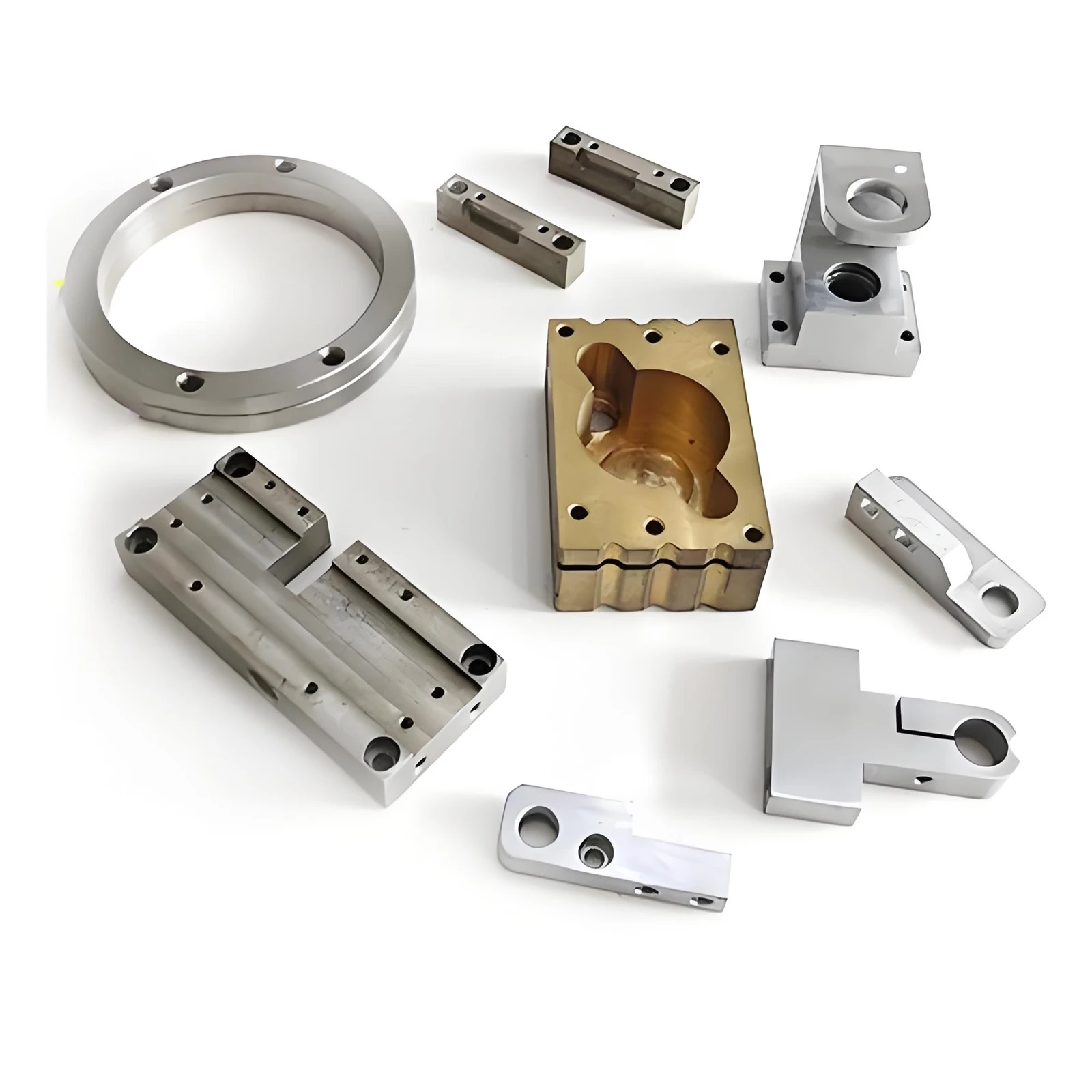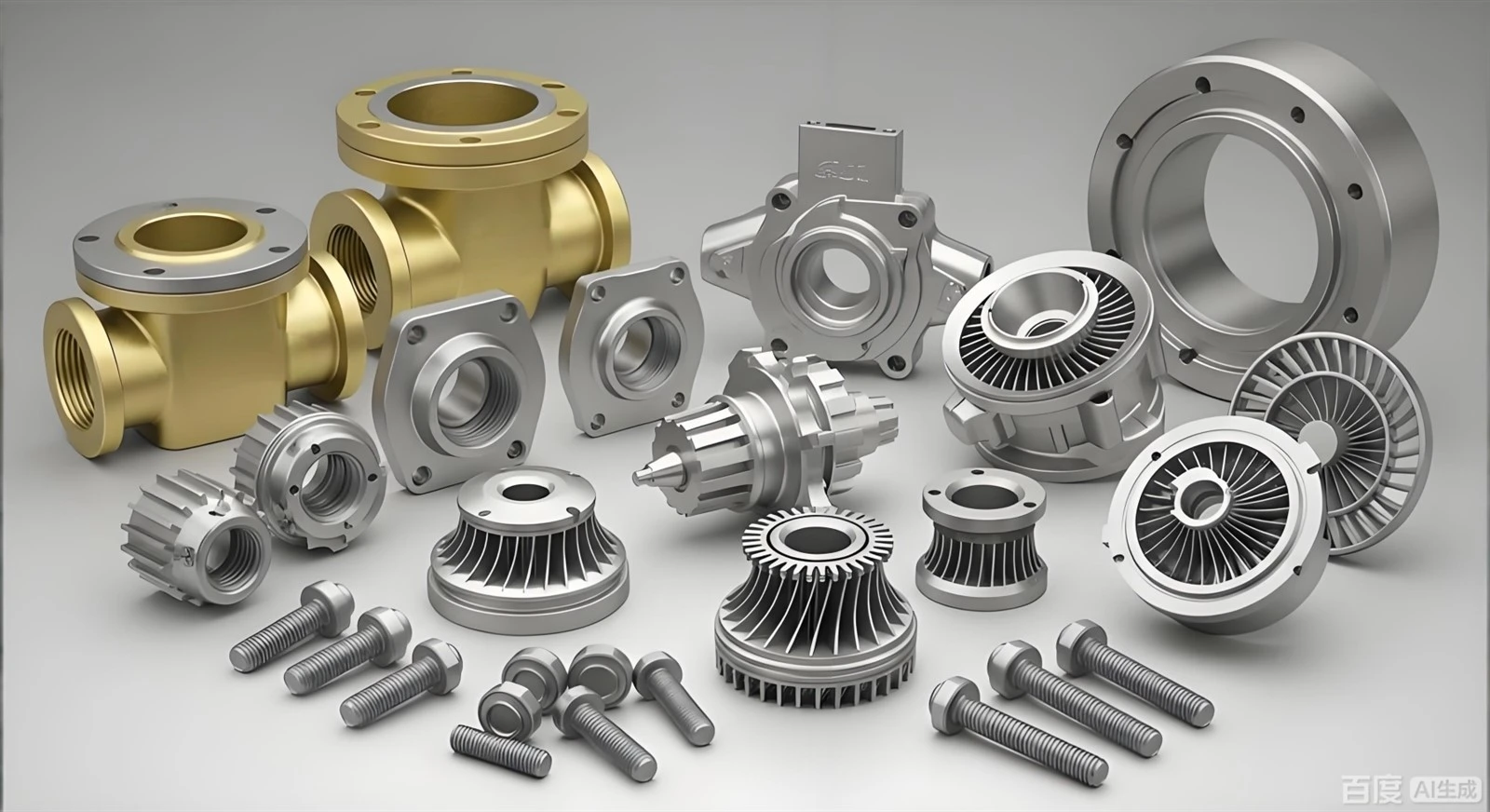

You get a set of bracket or mounting plate drawings that look straightforward. The parts show up and holes don't line up, threads strip on assembly, flatness is off, or the finish fails in the field. What should have been a quick job turns into rework, delayed shipments, and extra cost. Brackets and mounting plates are ordered constantly-and they cause more preventable problems than most people expect. This guide covers the practical points that matter when you order through Rapid Precision Machining: material choice, tolerances, design decisions, surface finishing, and how to pick the right supplier.
Why "Simple" Brackets Cause the Most Production Headaches
Common failure points
Hole-position errors, assembly interference, stripped threads, and out-of-spec flatness show up again and again. These problems usually appear only at final assembly, when fixing them is expensive. Industry figures on the cost of poor quality put rework and scrap somewhere between 5% and 30% of manufacturing costs in many plants. Small design and tolerance choices regularly drive a large share of that waste.
Why precision matters more than it looks
A ±0.1 mm miss on a critical hole pattern or mounting face can stop an entire assembly from going together. Once the part is installed, the fix is usually scrap or costly field work. That is why solid Parts Machining Services treat even everyday brackets with real process control instead of treating them as low-priority work.
Material Selection for Custom Brackets and Mounting Plates
Aluminum vs. steel vs. stainless steel
Aluminum (6061 or 7075) is the usual pick when weight matters and loads stay moderate. It machines quickly, takes anodizing well, and keeps cost reasonable for most industrial and electronics jobs. Carbon steel (Q235 or 45#) gives higher strength and stiffness for structural brackets at a lower material cost than stainless. Stainless (304 or 316) is the choice when corrosion is a real risk-outdoor sites, wash-down areas, or chemical exposure.
Matching material to the job
Base-station brackets, machine mounting plates, and renewable-energy structural parts all put different demands on strength, weight, and corrosion performance. Picking the wrong alloy is one of the fastest ways a "simple" bracket later fails or needs an expensive finish upgrade.
Design Considerations That Affect Machining Cost and Lead Time
Tolerance and fit
Not every dimension needs the tightest number on the drawing. Over-specifying non-critical features raises machining time, inspection cost, and scrap risk without improving function. Apply tighter tolerances only to locating holes, mating faces, and other features that actually affect assembly. This is one of the clearest ways Fast CNC Machining can deliver both speed and reasonable cost.
Hole patterns, threads, and countersinks
Standard thread sizes and consistent countersink or counterbore geometry make assembly faster and reduce line errors. Non-standard threads or vague hole depths are common sources of delay.
Bend angles and flatness for mounting plates
When plates combine bending with CNC work, residual stress and fixturing can affect flatness. Set realistic flatness requirements early and discuss process sequence with the manufacturer. That conversation often saves time later.
Surface Finishing Options and When They're Worth It
Anodizing, powder coating, and passivation
Anodizing on aluminum improves corrosion resistance and can add electrical insulation or a durable look. Powder coating gives thicker protection and color options for outdoor or high-visibility parts. Passivation is typically used on stainless to boost corrosion resistance after machining.
Do you really need that finish?
Many indoor equipment brackets perform fine as-machined or with minimal protection. Over-specifying finishes is a frequent way costs climb without adding real value. Match the finish to the actual environment.
Case Study - How Sunhingstones Delivered Precision Brackets Under Tight Deadlines
The challenge
An industrial equipment builder needed a batch of custom mounting plates with ±0.05 mm hole-position tolerance and a short delivery window. Earlier suppliers had trouble holding consistency and meeting the schedule.
The solution
Using Rapid Precision Machining processes-efficient fixturing, controlled toolpaths, and quick first-article checks-the team produced prototypes fast and moved into production without long iteration loops.
The result
Parts shipped on time. First-pass assembly success rose well above the previous lots, and the customer avoided the rework and line delays that had been routine on similar brackets.
A Note on Industry Recognition
Quality systems and relevant industry recognition (including standards and sector acknowledgments sometimes linked with ESTA-related frameworks) act as useful baseline signals. They do not replace checking actual capability, but they help confirm that a shop runs controlled processes.
How to Choose a Reliable CNC Bracket and Mounting Plate Manufacturer
What to ask before you order
Quality certifications and how parts are inspected
Prototype and first-article capability
Experience with the materials and finishes you need
How batch-to-batch consistency is maintained
Manufacturer vs. trading company
Working directly with a CNC machining manufacturer or Custom CNC Brackets Manufacturer that controls programming and production usually gives clearer DFM feedback, faster problem solving, and more reliable lead times. For buyers looking for a CNC Mounting Plate Factory or Custom Machined Parts Wholesale support, this distinction matters.
FAQ
Q: What's the typical lead time for custom CNC brackets and mounting plates?
A: Simple parts often ship in a few days to a week after design approval. More complex or higher-volume orders usually take one to three weeks, depending on material, finishing, and capacity.
Q: What tolerance can I expect for standard bracket machining?
A: General dimensions are commonly held to ±0.05 mm to ±0.1 mm. Critical hole positions and mating faces can be held tighter when the geometry allows and the requirement is clearly specified.
Q: Which material is best for outdoor mounting plates?
A: Stainless steel (304 or 316) or properly finished aluminum are the usual choices, depending on load and how harsh the environment is.
Q: Can I get a small-batch prototype before mass production?
A: Yes. Most capable shops will run prototypes or small lots so you can check fit and function before committing to larger quantities.
Q: Do I need surface finishing for indoor equipment brackets?
A: Not always. Many indoor applications run fine with as-machined surfaces or light protection. Let the real environment decide.
Next Step
Brackets and mounting plates look simple, yet small decisions on material, tolerance, and finish often decide whether the parts assemble cleanly or create expensive delays. Share your drawings for a free DFM review and quote. Rapid Precision Machining backed by responsive Fast CNC Machining and solid Parts Machining Services is set up to turn these everyday parts into reliable, on-time components.